




Introduction
“Masha’Allah” (ما شاء الله) is an Arabic phrase meaning “God has willed it” or “as God willed”. It expresses appreciation, gratitude, and acknowledges that good things, beauty, or success are a result of divine will, and it is also used to protect against envy or the evil eye.

Dua for Seeing Beauty – An Islamic Reflection on Praising Allah’s Creation
In Islam, beauty is not just a matter of appearance — it’s a reflection of Allah’s (ﷻ) perfect creation. Whether we see a beautiful person, a scenic landscape, or a lovely piece of art, a believer’s heart immediately turns to the Creator, acknowledging His perfection and thanking Him for blessing us with eyes to witness His wonders.
The Dua for seeing beauty is a powerful reminder that every form of beauty we see in this world should lead us toward praising Allah, not merely admiring the creation itself. In this blog, we’ll explore the authentic supplication (dua) for seeing beauty, its meaning, benefits, hadith references, and the spiritual message behind it.
1. Introduction: The Islamic View of Beauty
Islam teaches that true beauty belongs only to Allah (سُبْحَانَهُ وَتَعَالَى). Every attractive sight — a person, flower, or mountain — is a sign (ayah) pointing toward the Greatness of the Creator. The Qur’an repeatedly reminds us to look at the universe and reflect on its perfection.
“Who created you, proportioned you, and balanced you.”
(Surah Al-Infitar 82:7)
Beauty, therefore, is not to be worshipped or envied, but to be appreciated with gratitude and humility. When a believer sees something beautiful, he praises Allah for His creation rather than being captivated by the creation itself.
2. The Authentic Dua for Seeing Beauty
There are several authentic duas taught by the Prophet Muhammad ﷺ that can be recited upon seeing something beautiful or amazing.
A. When Seeing a Beautiful Person or Object:
سُبْحَانَ اللَّهِ! مَا أَحْسَنَ هَذَا
SubhanAllahi! Ma Ahsana Haza
Translation: Glory be to Allah! How beautiful is this!
This short dua acknowledges that the beauty we see is a reflection of Allah’s perfection, not something that exists independently.
B. Dua for Seeing Something That Amazes You (Hadith-based):
اللّهُمَّ بَارِكْ عَلَيْهِ
Allahumma barik ‘alayhi (or ‘alaiha)
Translation: O Allah, bless him/her.
The Prophet ﷺ taught this dua to protect others (and ourselves) from the evil eye (nazar) when we admire someone’s beauty, whether in looks, clothes, or possessions.
C. Dua for Seeing the Creation of Allah (Natural Beauty):
تَبَارَكَ اللَّهُ أَحْسَنُ الْخَالِقِينَ
TabarakAllahu Ahsanul Khaliqeen
Translation: Blessed is Allah, the Best of creators.
This powerful phrase appears in the Qur’an:
“So blessed be Allah, the Best of creators.”
(Surah Al-Mu’minun 23:14)
It’s an ideal dhikr when you witness a beautiful landscape, a child’s face, or any amazing part of Allah’s creation.
3. The Meaning Behind the Dua
When we say “SubhanAllah, Ma Ahsana Haza” or “TabarakAllah, Ahsanul Khaliqeen”, we are expressing three key forms of worship:
- Gratitude (Shukr): Thanking Allah for allowing us to witness something beautiful.
- Glorification (Tasbeeh): Declaring that all beauty originates from Allah alone.
- Protection (Barakah): Seeking Allah’s blessings for what we have admired so that no harm (like the evil eye) befalls it.
This transforms a simple act of seeing into an act of remembrance (Dhikr).
4. The Prophet ﷺ’s Teachings About Beauty
The Prophet Muhammad ﷺ was a model of both inner and outer beauty, but his teachings went far beyond physical appearance. He reminded his followers that true beauty lies in faith and character, not just looks.
Hadith on True Beauty:
The Prophet ﷺ said:
“Allah does not look at your appearance or wealth, but He looks at your hearts and deeds.”
(Sahih Muslim, 2564)
This hadith beautifully shifts our focus — when we admire beauty, we should not fall into pride, jealousy, or material admiration. Instead, we should recognize that all beauty is temporary, and what truly lasts is Taqwa (piety).
5. Beauty in the Qur’an
The Qur’an mentions beauty in many forms — the beauty of the earth, the heavens, human beings, and even good words and deeds.
Examples:
- The Beauty of Creation:
“Indeed, We have adorned the lowest heaven with the beauty of stars.”
(Surah As-Saffat 37:6) - The Beauty of Speech:
“And who is better in speech than one who calls to Allah…”
(Surah Fussilat 41:33) - The Beauty of Character:
“Indeed, you (O Muhammad) are upon an exalted character.”
(Surah Al-Qalam 68:4)
Through these verses, Allah teaches that outer beauty is a sign of His mercy, but inner beauty — good manners, humility, and kindness — is what brings eternal reward.
6. When to Recite the Dua for Seeing Beauty
You can recite the Dua for Seeing Beauty in various situations throughout your daily life:
| Situation | Recommended Dua |
|---|---|
| Seeing a beautiful person | Allahumma barik ‘alayhi / ‘alaiha |
| Seeing your own reflection | Alhamdulillah allathee hassana khalqi (Praise be to Allah Who perfected my creation) |
| Seeing a beautiful landscape | SubhanAllah, TabarakAllahu Ahsanul Khaliqeen |
| Seeing something you admire | MashaAllah, La quwwata illa billah |
| To avoid jealousy or evil eye | Allahumma barik ‘alayhi |
Each of these duas reflects your recognition of Allah’s beauty and power, and protects you from negative emotions like envy.
7. The Evil Eye and the Role of the Dua
One of the main reasons for reciting dua upon seeing beauty is to avoid causing or attracting the evil eye (Nazar).
The Prophet ﷺ said:
“The evil eye is real, and if anything were to overtake the divine decree, it would be the evil eye.”
(Sahih Muslim, 2188)
When you see something or someone beautiful — even your own child — say:
“MashaAllah, Allahumma barik”
so that your admiration becomes a blessing, not harm.
This dua protects the admired person from spiritual harm and turns admiration into a form of worship.
8. Reflecting on Beauty as a Way of Knowing Allah
Every believer should train their heart to see beauty as a mirror reflecting the Divine Attributes of Allah.
- When you see a beautiful face, remember Allah is Al-Jameel (The Most Beautiful).
- When you see the ocean’s vastness, reflect on Allah’s Majesty and Power.
- When you see flowers blooming, remember Allah is Ar-Raheem (The Most Merciful).
Thus, the dua for seeing beauty becomes a spiritual meditation — transforming your gaze from the creation to the Creator.
9. The Name of Allah – “Al-Jameel (The Most Beautiful)”
Among Allah’s 99 names is “Al-Jameel”, which means The Most Beautiful. This name was mentioned in a famous hadith:
The Prophet ﷺ said:
“Allah is Beautiful and loves beauty.”
(Sahih Muslim, 91)
This hadith defines the Islamic philosophy of beauty. A believer who recites dua upon seeing beauty acknowledges that every beauty originates from the beauty of Allah Himself.
Therefore, the dua not only praises Allah but also aligns our hearts with His love for beauty — in faith, in manners, in actions, and in gratitude.
10. Benefits of Reciting Dua When Seeing Beauty
Reciting these short duas brings both spiritual and emotional benefits. Let’s look at a few:
1. Increases Iman (Faith)
Recognizing Allah’s creation strengthens our awareness of His existence and power.
2. Protects from the Evil Eye
Saying MashaAllah and Allahumma barik prevents jealousy and protects from harm.
3. Promotes Gratitude
Reminds you to thank Allah for giving you the ability to see and experience beauty.
4. Brings Inner Peace
Admiring Allah’s creation with dhikr brings calmness and contentment.
5. Encourages Modesty and Respect
Teaches believers not to objectify beauty, but to respect and honor it as a divine sign.
6. Connects the Heart to Allah
Transforms ordinary experiences (like seeing a flower or a smile) into acts of worship.
11. Teaching Children the Dua for Seeing Beauty
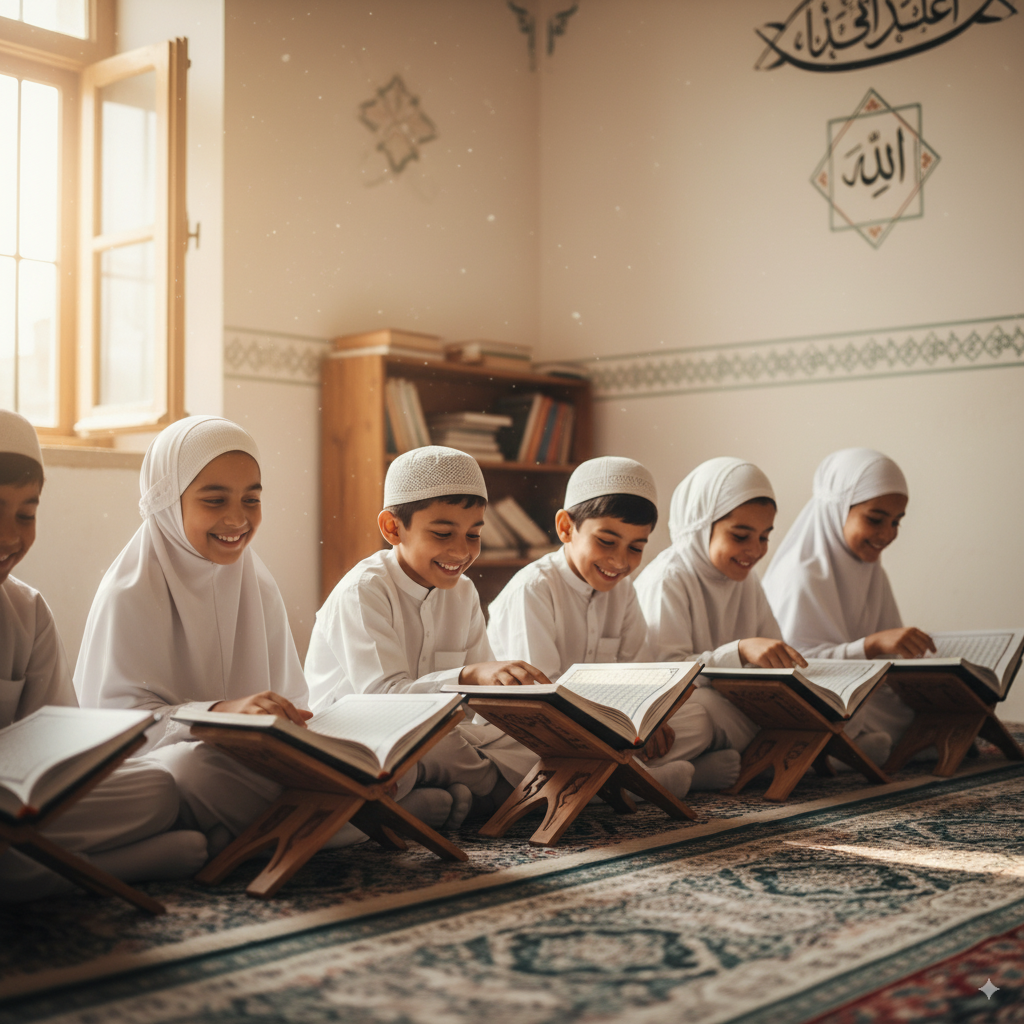
Parents can teach their children to say SubhanAllah or MashaAllah when they see something nice or beautiful. It helps them:
- Grow up with grateful hearts.
- Learn to praise Allah naturally.
- Avoid jealousy and arrogance.
- Recognize Allah’s blessings in everyday life.
Make it a daily habit to say these words when your child sees a new toy, flower, or even their reflection in the mirror.
12. The Inner Beauty That Pleases Allah
In Islam, inner beauty — such as sincerity, kindness, humility, and patience — is far more beloved to Allah than external appearance.
The Prophet ﷺ said:
“Verily, Allah does not look at your bodies or your forms, but He looks at your hearts.”
(Sahih Muslim)
Thus, while we admire physical beauty, our dua should also remind us to beautify our souls with good deeds and pure intentions.
13. Reflection: Beauty That Leads to Allah
Sometimes, people get distracted by beauty — instead of remembering Allah, they start comparing, envying, or desiring what others have. Islam helps us redirect our hearts through Dua and Dhikr.
When you say:
“SubhanAllah! Ma Ahsana Haza”
you’re saying: Glory be to You, O Allah — You are the Source of all beauty.
This short remembrance saves the heart from pride, jealousy, or desire, and fills it with humility and awe before Allah.
14. Practical Tips to Apply This Dua Daily
Here are some ways to make this beautiful sunnah part of your everyday life:
- At Sunrise or Sunset: When you see a beautiful sky, say SubhanAllah.
- At Weddings: When seeing someone dressed beautifully, say MashaAllah, Allahumma barik.
- While Traveling: On seeing nature, mountains, or rivers, say TabarakAllahu Ahsanul Khaliqeen.
- When Looking in the Mirror: Recite Alhamdulillah allathee hassana khalqi wa khuluqi.
- When Seeing Your Child: Say Allahumma barik ‘alayhi for protection from Nazar.
Making this habit transforms your life into a journey of constant remembrance (Dhikr).
15. Spiritual Reflection: Beauty as a Bridge to Jannah
The Prophet ﷺ described Paradise (Jannah) as a place of unimaginable beauty — where believers will see things no eye has ever seen and no heart has ever imagined.
By remembering Allah when seeing beauty in this world, we prepare ourselves for the eternal beauty of the Hereafter. Every act of praise today becomes a step closer to witnessing the Ultimate Beauty — the Face of Allah (سبحانه وتعالى).
“Some faces, that Day, will be radiant, looking at their Lord.”
(Surah Al-Qiyamah 75:22-23)
That is the highest and most beautiful sight a believer can ever behold.
16. Conclusion: Praise the Creator, Not the Creation
To conclude, the Dua for Seeing Beauty is not just a phrase — it is a mindset of faith. It teaches us to see the world through the lens of gratitude, humility, and reflection.
Whenever you encounter beauty, say:
“SubhanAllah! Ma Ahsana Haza”
“TabarakAllahu Ahsanul Khaliqeen”
“Allahumma barik”
and let your heart remember:
Every beauty in this world fades, except the Beauty of Allah, who created it all.


Leave a Reply